Home Cleaning Automation helps daily mess become easier to manage because repetitive chores no longer depend only on willpower. Floors need attention. Surfaces need resets. Laundry needs movement. Supplies need restocking. These tasks are simple, but they repeat constantly. Automation changes the pressure. It lets reminders, devices, and recurring routines carry part of the load. The home still needs human care. However, that care becomes better timed. You stop relying on memory alone. A system catches tasks before they grow. That shift makes everyday cleaning feel lighter.
Automation should begin with a clear goal. Do you want cleaner floors? Faster resets? Better supply tracking? Fewer forgotten chores? Each goal needs a different setup. A useful low-effort cleaning plan helps you choose automation that solves actual problems. Without goals, smart tools become clutter. With goals, they become support. The best systems are simple to maintain. They also fit the household’s real habits. Automation should make care easier. It should never become another chore to manage.
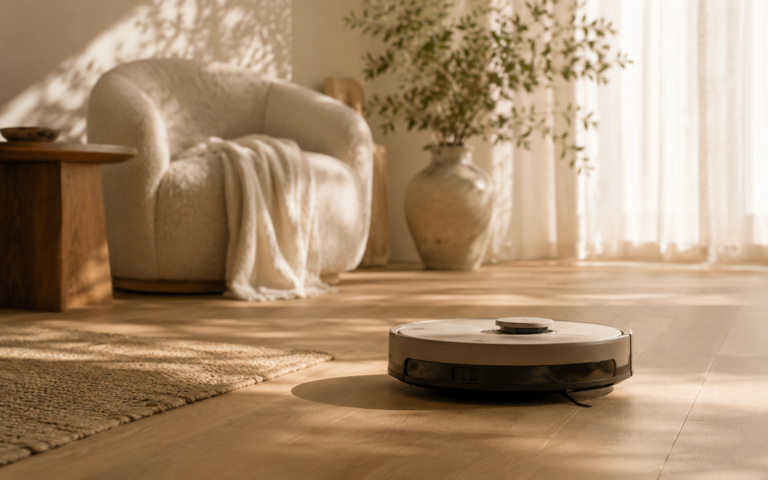
Home Cleaning Automation often starts with floors because they collect daily evidence of life. Crumbs, pet hair, dust, and outdoor dirt appear quickly. A robot vacuum can help if it runs on a sensible schedule. Surfaces need a different kind of support. Reminders can prompt quick wipes after cooking or before bed. A steady daily tidying routine keeps those moments short. Automation works best when it supports a human habit. The tool handles repetition. You handle judgment and finishing touches.
Smart systems fail when they become too complicated. Too many apps create friction. Too many reminders become background noise. Too many devices require maintenance. The goal is not a futuristic home. The goal is a calmer home. Choose the smallest system that solves the problem. One recurring reminder may help more than five dashboards. One scheduled vacuum run may beat a complex cleaning calendar. Simplicity keeps automation trustworthy. Trust makes people use it. A system that quietly supports daily life is more valuable than one that constantly demands attention.
Home Cleaning Automation can make shared responsibility easier because tasks become visible and timed. People are less likely to argue over invisible expectations. A shared reminder creates a neutral cue. A scheduled device handles background work. A simple list shows what remains. A practical time-saving home systems approach helps everyone understand the rhythm. No one needs to guess what matters next. That clarity reduces resentment. It also makes chores feel less like criticism. The system becomes the reminder, not one exhausted person.
Flexible automation works better than rigid automation. Homes change with schedules, guests, seasons, and energy levels. A system should adjust without collapsing. You may pause reminders during travel. You may increase vacuum runs during shedding season. You may move resets earlier during busy school weeks. Flexibility keeps automation useful. It also prevents guilt when life interrupts the routine. The best home systems are supportive, not demanding. They offer a next step without drama. They help you return to order quickly. That forgiving quality keeps the routine alive.
Home Cleaning Automation makes maintenance feel effortless when it removes the most repetitive decisions. You no longer ask whether the floor needs attention. The schedule already handles it. You no longer forget small resets. The reminder appears. You no longer rebuild the routine each week. The system repeats. This consistency matters because home mess rarely arrives as one big event. It gathers through tiny moments. Automation catches those moments earlier. Then human effort becomes smaller and more focused. The home feels cared for without constant mental tracking.


Leave a comment