
Effortless Home Tidying sounds unrealistic until you stop treating tidying like one large project. Most people do not need a perfect system. They need a faster way to return rooms to livable order. Time scarcity changes everything. A method that works on a calm Sunday may fail on a packed weekday. Better tidying respects that reality. It uses small zones, short timers, and obvious homes for everyday items. The goal is not perfection. The goal is a room that feels easier to enter, use, and enjoy.
Visible wins make tidying feel possible. Clear the counter. Fold the throw blanket. Return shoes to one place. Empty the obvious trash. These actions change the room quickly. A helpful clean living routine builds from those wins. You do not need to solve every drawer first. You need to reduce the friction you see most often. That approach protects motivation. It also helps the home feel better immediately. Fast improvement makes the next reset easier to begin.
Effortless Home Tidying becomes easier when you divide rooms into zones. A kitchen counter is one zone. A sofa area is another. An entryway shelf is another. Whole rooms can feel intimidating. Zones feel manageable. A clear no-stress chore rhythm helps you choose one zone and stop when it improves. This prevents endless tidying. It also keeps the task from spreading across the house. Small boundaries create better focus. Better focus creates faster results. Tidying becomes lighter because it has edges.
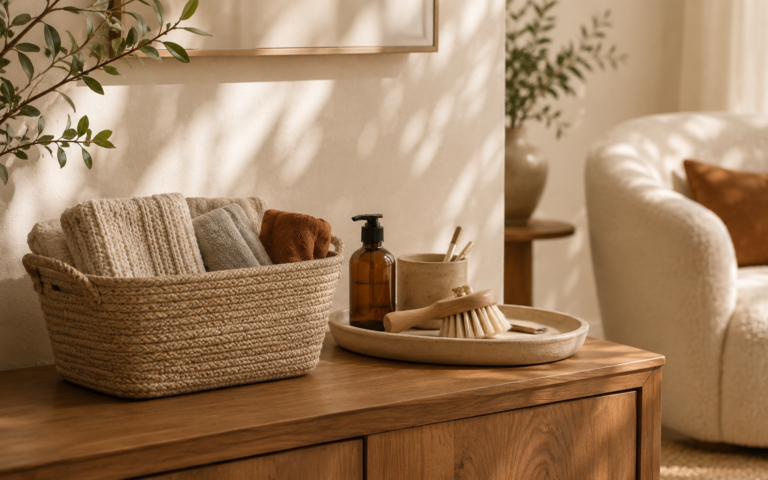
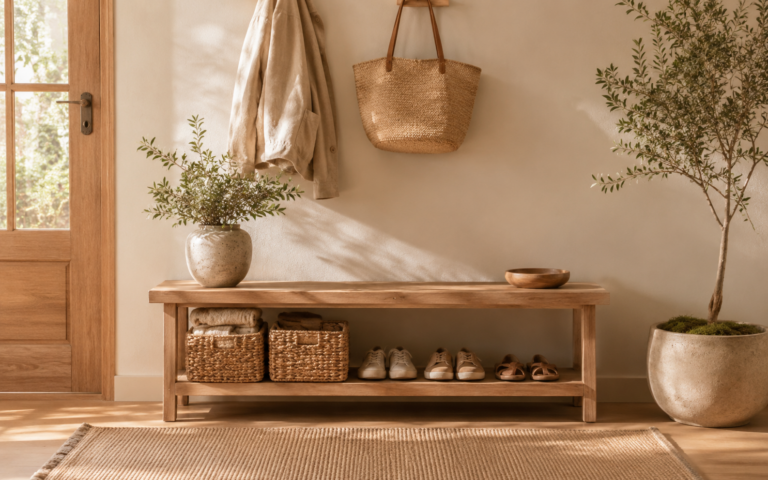
Storage fails when it ignores how people actually move. If keys land by the door, storage belongs there. If mail piles near the kitchen, the system should meet it there. If blankets gather on the sofa, a nearby basket helps. Real behavior is not the enemy. It is the clue. Good tidying systems use those clues instead of fighting them. This makes order feel natural. It also reduces the number of steps required. Fewer steps mean better follow-through. A home becomes easier to maintain when storage supports instincts.
Effortless Home Tidying matters most when energy is low. After work, childcare, errands, or commuting, a long chore list feels impossible. A short reset can still help. Set a timer. Choose one surface. Return only the most visible items. Save deeper cleaning for another moment. A simple rhythm protects the evening without ignoring the mess. It also prevents frustration from growing overnight. The home feels more peaceful with even one area restored. That is the point. Small tidying should make life easier, not steal the last energy you have.
Stopping early can be a smart strategy. Many people push tidying until they resent it. That resentment makes the next session harder to start. A better system ends while you still feel capable. You complete one zone. You notice the improvement. Then you stop. This creates a positive memory of the task. It also keeps tidying from becoming another burden. Ending well helps consistency. Consistency matters more than intensity. A five-minute reset repeated daily can outperform a two-hour session followed by avoidance. The habit survives because it feels humane.
Effortless Home Tidying ultimately creates rooms that support real life. They do not need to look untouched. They need to feel usable, welcoming, and easy to reset. A chair should be available for sitting. A counter should be ready for cooking. A floor should be simple to walk across. These standards are practical. They make daily living smoother. They also reduce the emotional weight of clutter. When tidying becomes smaller and kinder, the home becomes easier to love. Time still feels limited, but order feels possible.

Leave a comment