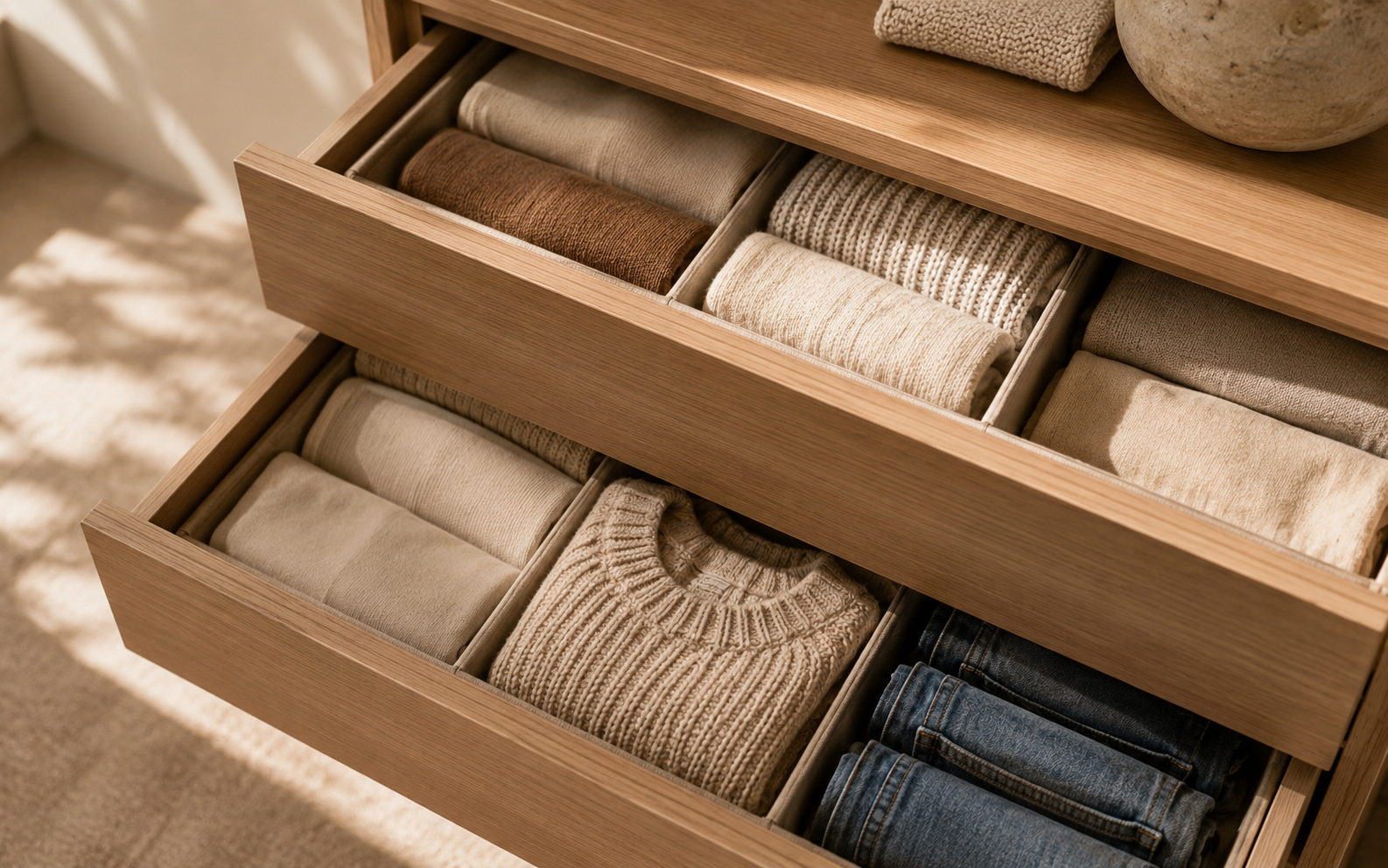
Chore-Less Living Kit helps busy homes feel lighter by replacing constant catch-up cleaning with simpler daily systems. Many households do not fail because people are lazy. They struggle because tasks arrive faster than energy returns. Dishes, laundry, crumbs, mail, and floor dust gather quietly. Then the home feels heavier than it should. A better system reduces that weight. It turns chores into smaller actions. It also uses tools, timing, and automation more intelligently. When the routine becomes easier to repeat, the whole home feels calmer.
Small tasks work because they lower resistance. A ten-minute reset feels possible when a full cleaning session does not. Picking up one zone creates quick proof. That proof builds momentum. A practical chore simplifying system helps you identify which tasks matter most. You stop treating every mess equally. You handle the visible friction first. Counters clear. Floors improve. Laundry moves forward. These wins matter because they make the home feel responsive. The routine begins to feel doable.
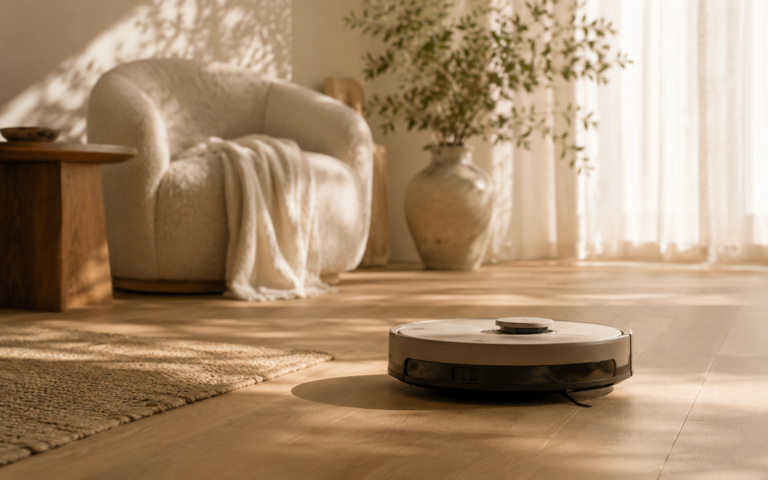
Smart support should remove effort, not create more decisions. Robot vacuums, reminders, recurring tasks, and simple automation can carry repetitive work. A good robot vacuum routine keeps floors from becoming a daily burden. Timed reminders keep resets short. Digital lists help repeat the same rhythm without rewriting it. These tools are useful because they protect attention. They also make cleaning feel less personal. The home gets care even when you are busy. That support can change the emotional tone of chores.
Cleaning more is not always the answer. Many people already spend enough time cleaning. The problem is that effort goes into the wrong moments. A rushed wipe may happen after mess spreads. Laundry may wait until the pile feels dramatic. Floors may need attention before guests arrive. Cleaning better means placing effort earlier and smarter. It also means reducing repeat work. Simple systems help the home stay closer to reset. That makes every task smaller. Better timing often beats extra effort. The result feels cleaner without feeling harder.
Chore-Less Living Kit is especially useful when your schedule leaves little open space. The goal is not a perfect home. The goal is a livable rhythm. A focused ten-minute tidy method can rescue the busiest days. You choose one visible zone. You set a clear stop point. You return items, wipe surfaces, and remove obvious clutter. That short reset prevents the home from sliding further. It also gives you a sense of control. Small time blocks can create surprisingly strong results.
Household routines work better when roles are visible. People need to know what belongs to them. They also need tasks that are simple enough to repeat. A vague request to help creates confusion. A clear task creates action. Entryway shoes, dishes, laundry, trash, and surfaces need defined habits. Shared systems reduce resentment. They also make progress easier to notice. Children, partners, or roommates can participate more easily when the expectations are specific. A lighter home often starts with clearer communication. Structure turns help into a normal rhythm.
Chore-Less Living Kit helps prevent the spiral that makes homes feel impossible. Mess grows quickly when no system catches it early. A few small routines can interrupt that growth. Morning counters, evening floors, and quick laundry movement create protective anchors. Automation supports the background. Short resets handle the foreground. The home does not need to be spotless to feel peaceful. It needs enough order to support daily life. That standard is practical and kind. When chores become smaller, the home feels lighter. So does the person managing it.



Leave a comment